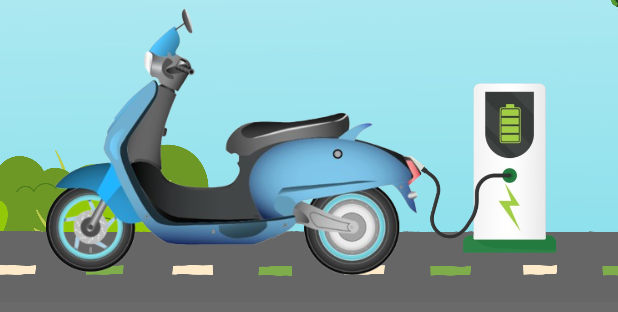
The PM E-DRIVE scheme stands for ‘PM Electric Drive Revolution in Innovative Vehicle Enhancement’. The Union Cabinet approved it with a financial outlay of ₹10,900 crore. It came into effect on 1 October 2024 and was set to run until 31 March 2026.
Importantly, the scheme builds on earlier EV support programmes such as FAME-II. However, it adds a stronger focus on public transport, charging networks and local manufacturing.
Objectives of the PM E-DRIVE Scheme
- Faster EV adoption: First, it aims to speed up the adoption of electric vehicles (EVs).
- Charging infrastructure: Second, it seeks to build essential charging infrastructure across the country.
- Manufacturing ecosystem: Finally, it aims to create a robust EV manufacturing ecosystem in India.
Key Features of the PM E-DRIVE Scheme
- Demand incentives: About ₹3,679 crore supports electric two-wheelers, three-wheelers, e-ambulances, e-trucks and other emerging EVs.
- E-buses: Around ₹4,391 crore will help state transport undertakings procure 14,028 electric buses.
- Charging stations: Similarly, ₹2,000 crore goes to public charging stations for different vehicle types.
- E-vouchers: Buyers receive Aadhaar-authenticated e-vouchers to claim incentives. Thus, the process becomes quick and transparent.
- Testing agencies: In addition, the scheme funds the upgrade of vehicle testing agencies.
Why the Scheme Matters
Transport is a major source of air pollution and oil imports in India. Therefore, a shift to EVs can cut emissions and improve energy security. Moreover, the scheme supports India’s climate goals and the Make in India mission. Hill states like Uttarakhand can also benefit, as cleaner transport protects fragile mountain ecosystems.
PM E-DRIVE Scheme: Exam Relevance
Notably, government schemes with budgets and targets are a favourite area for UKPSC and UPSC prelims. So, remember the full form, outlay, start date and key components. For the latest official updates, visit the Ministry of Heavy Industries. Also, read our note on ethanol blending in India, another clean-fuel policy.
Preparing for the UKPSC Upper PCS 2026 prelims? Join our UKPSC 2026 Prelims Test Series for regular practice.